
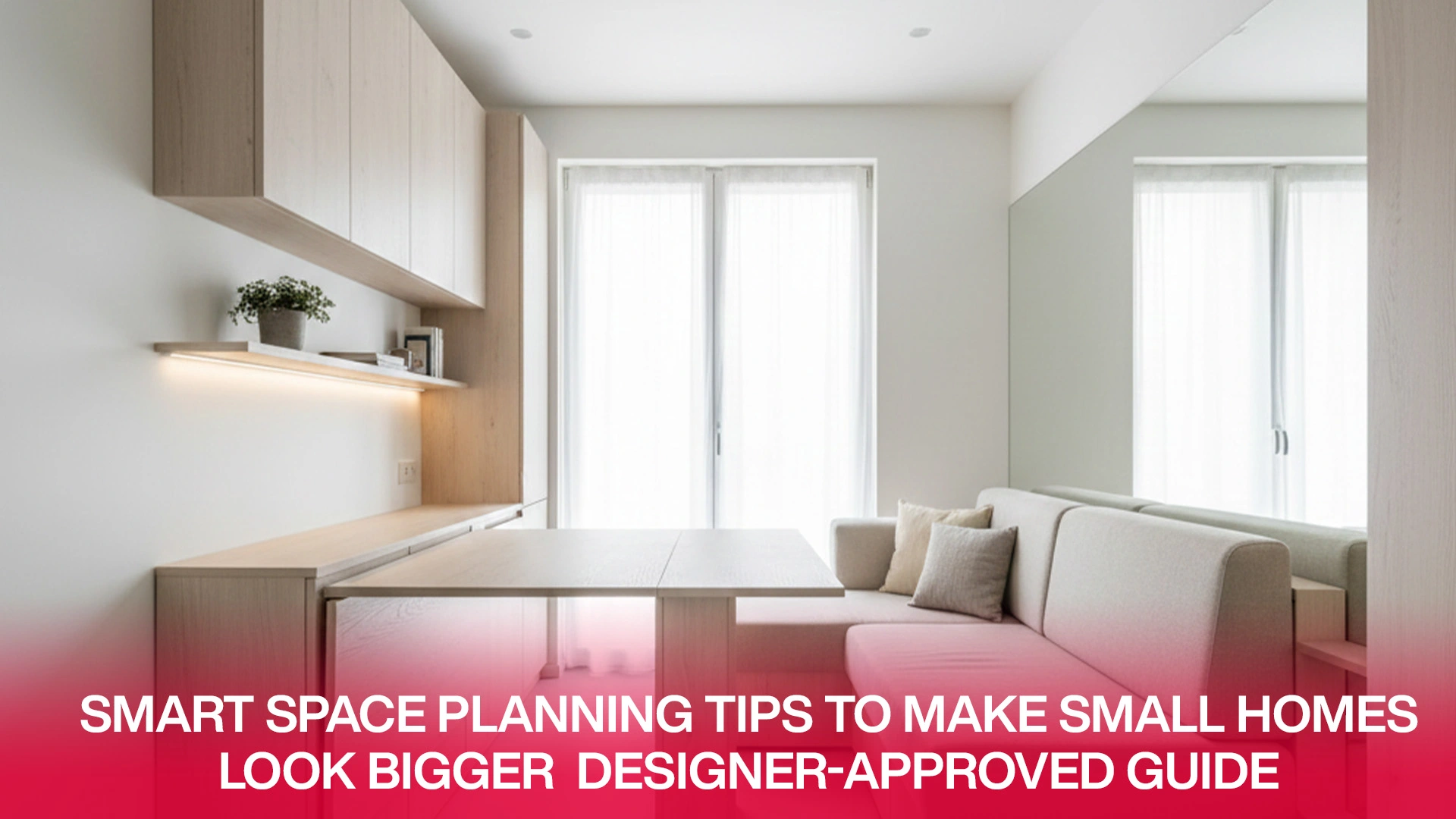
Are you struggling with a small home that feels cramped and cluttered? Have you been wondering how to make your space feel bigger without moving walls? Space planning for small homes is key to creating a functional, stylish environment that maximizes every inch. Whether you’re dealing with a tiny apartment or a compact house, smart space planning techniques can work wonders. In this guide, we’ll share designer-approved tips for layout optimization for small rooms, space-saving interior solutions, and more to help you make the most of your space.
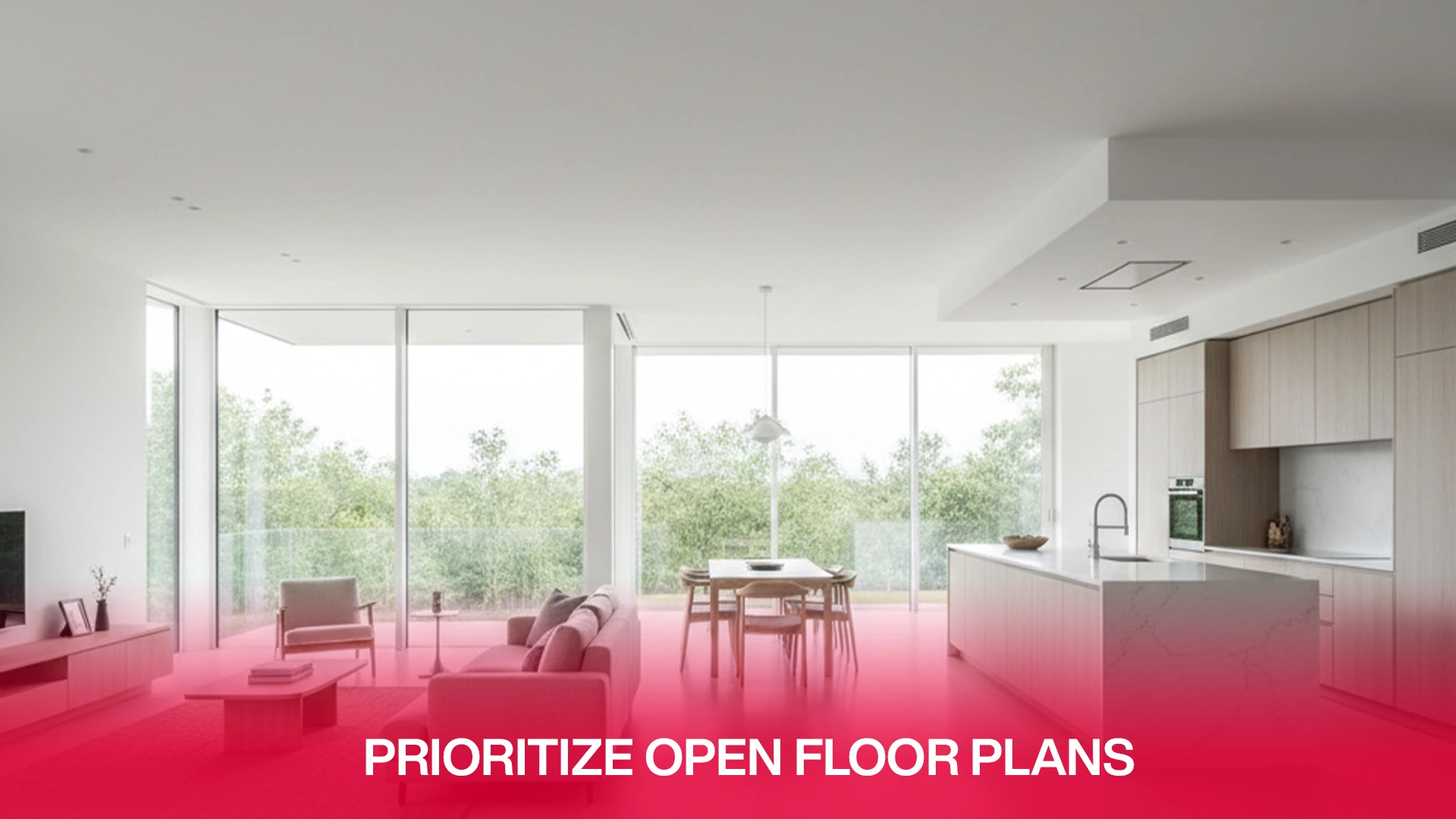
1. Prioritize Open Floor Plans
One of the best ways to create the illusion of space in a small home is by adopting an open floor plan. When there are fewer walls and barriers, your rooms will feel larger and more connected. Here’s how to optimize your space:
- Eliminate Unnecessary Walls: Removing unnecessary walls opens up the space and improves the flow between different areas, like the living and dining rooms.
- Use Furniture to Define Spaces: Without walls, furniture becomes key to separating areas. Use sofas or bookshelves to create distinct zones without closing off the space.
- Create Continuity: Incorporating similar flooring throughout the space helps make everything feel more open and unified.
Incorporating an open concept home layout design into your space is one of the easiest ways to enhance space planning for small homes.
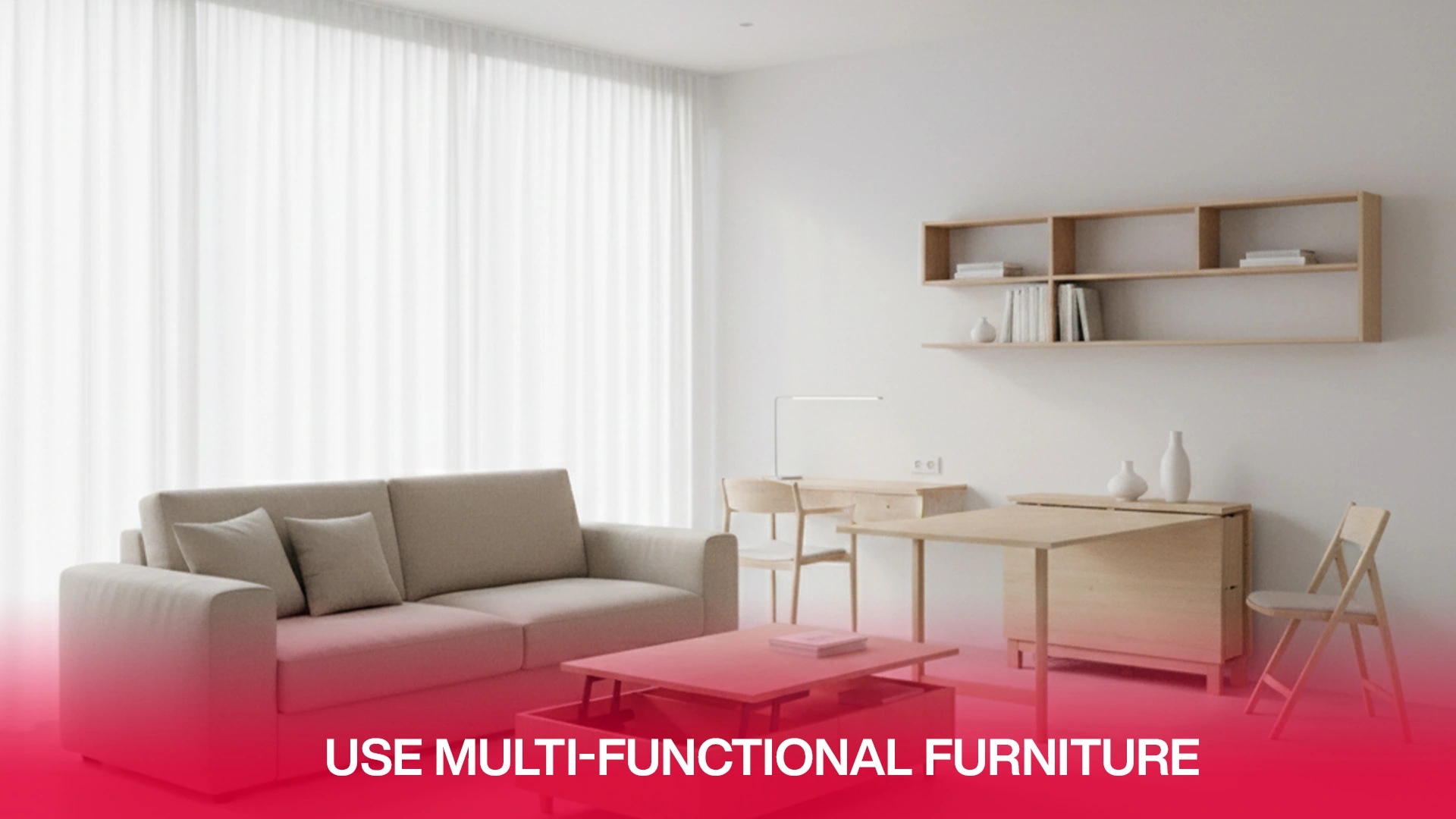
2. Use Multi-Functional Furniture
For small homes, the key is to use furniture that does double duty. This not only saves space but also adds versatility to your living areas. Consider these ideas to make the most of your furniture:
- Sofa Beds and Folding Tables: A sofa bed works perfectly in a living room, while folding tables or expandable dining tables can help when you need more space.
- Storage Ottomans: Ottomans that double as storage provide a place to store blankets, magazines, or other essentials.
- Modular Pieces: Modular furniture allows you to rearrange your space easily, adapting to your needs without requiring additional furniture.
When you implement space-saving interior solutions with smart, multi-functional furniture, your small home will feel both spacious and practical.
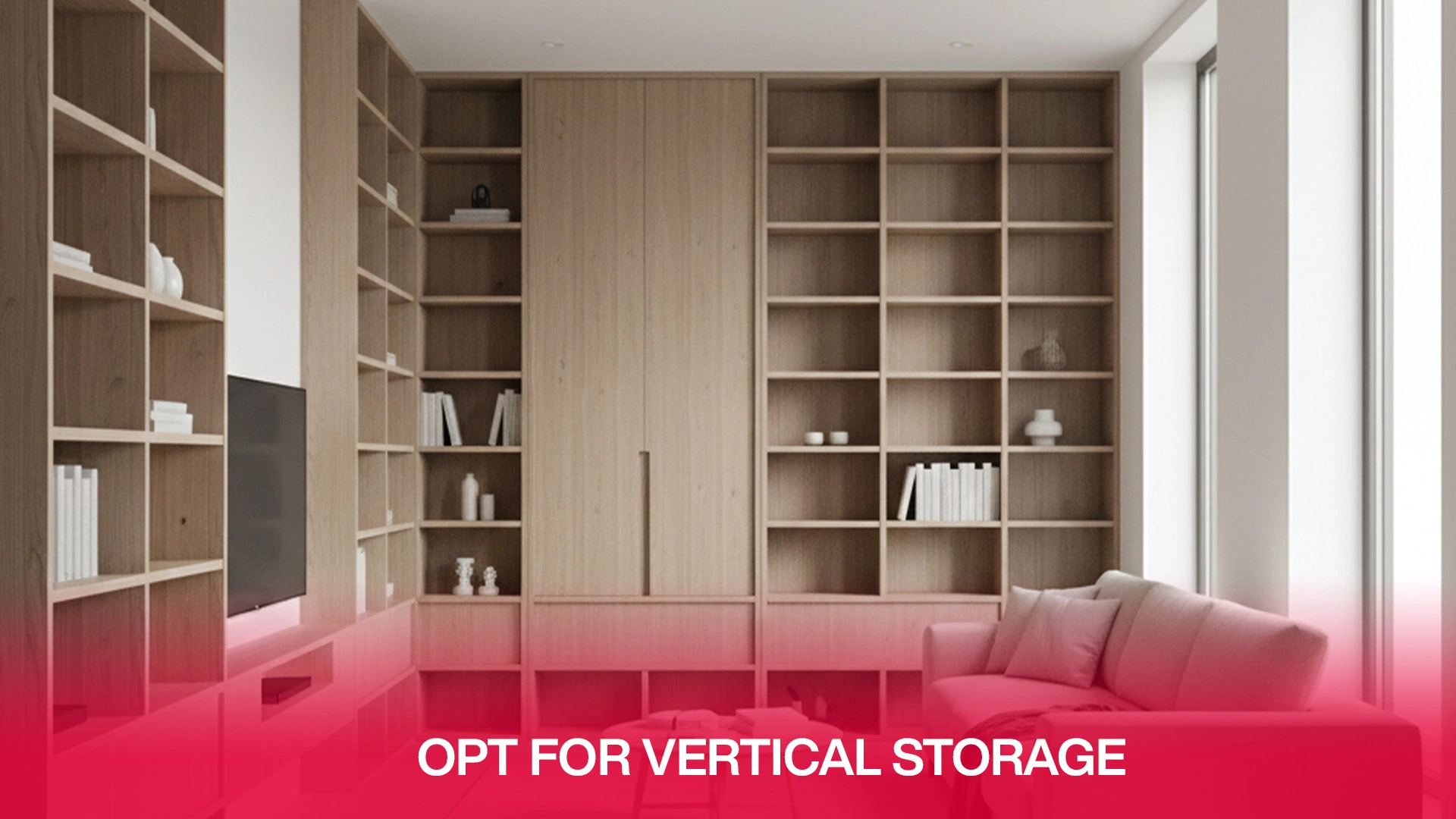
3. Opt for Vertical Storage
One of the smartest ways to save space is by thinking vertically. This allows you to use wall space to store or display items, leaving the floor open for movement. Here’s how:
- Tall Shelving Units: Use tall bookshelves or cabinets to take advantage of your vertical space.
- Wall-Mounted Storage: Install hooks or racks on the walls to hold everything from coats to kitchen tools.
- Overhead Storage: In smaller rooms, overhead cabinets or lofted storage help free up floor space and keep clutter out of sight.
When you incorporate vertical storage into your space planning for small homes, your home will instantly feel more spacious and organized.
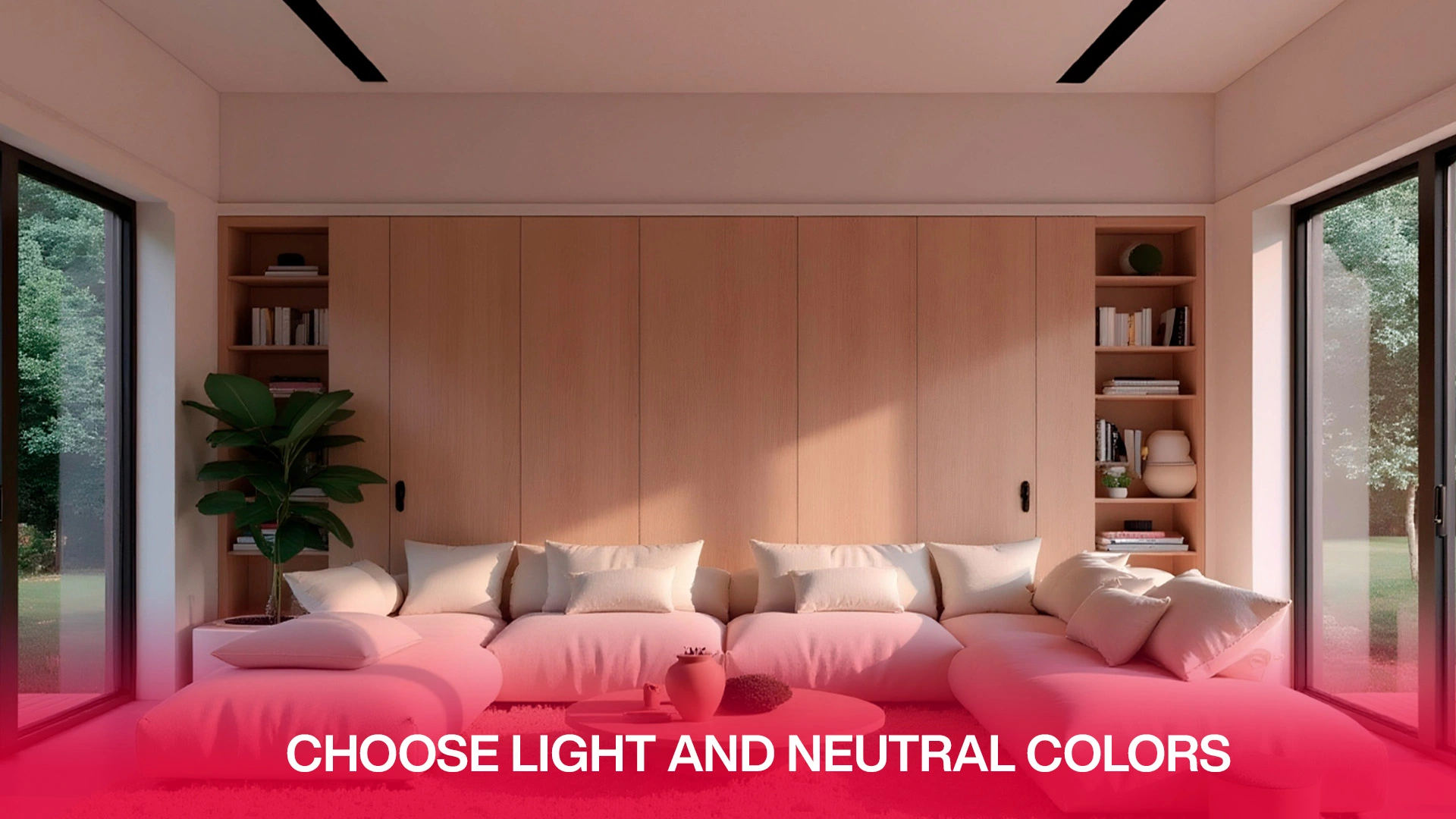
4. Choose Light and Neutral Colors
Color plays a major role in how big or small a room feels. Lighter shades tend to make a space feel more open, while darker colors can make it appear smaller. Here’s how to use color effectively:
- Light Walls: Opt for whites, soft grays, or beige for walls to reflect light and create a brighter, more open space.
- Accent with Muted Tones: Use soft, muted colors for furniture and decor to maintain a calm, cohesive look.
- Monochromatic Scheme: Using varying shades of one color can make a room feel continuous and visually expansive.
When you plan your small home interior design ideas around light, neutral colors, you can maximize the feeling of space in every room.
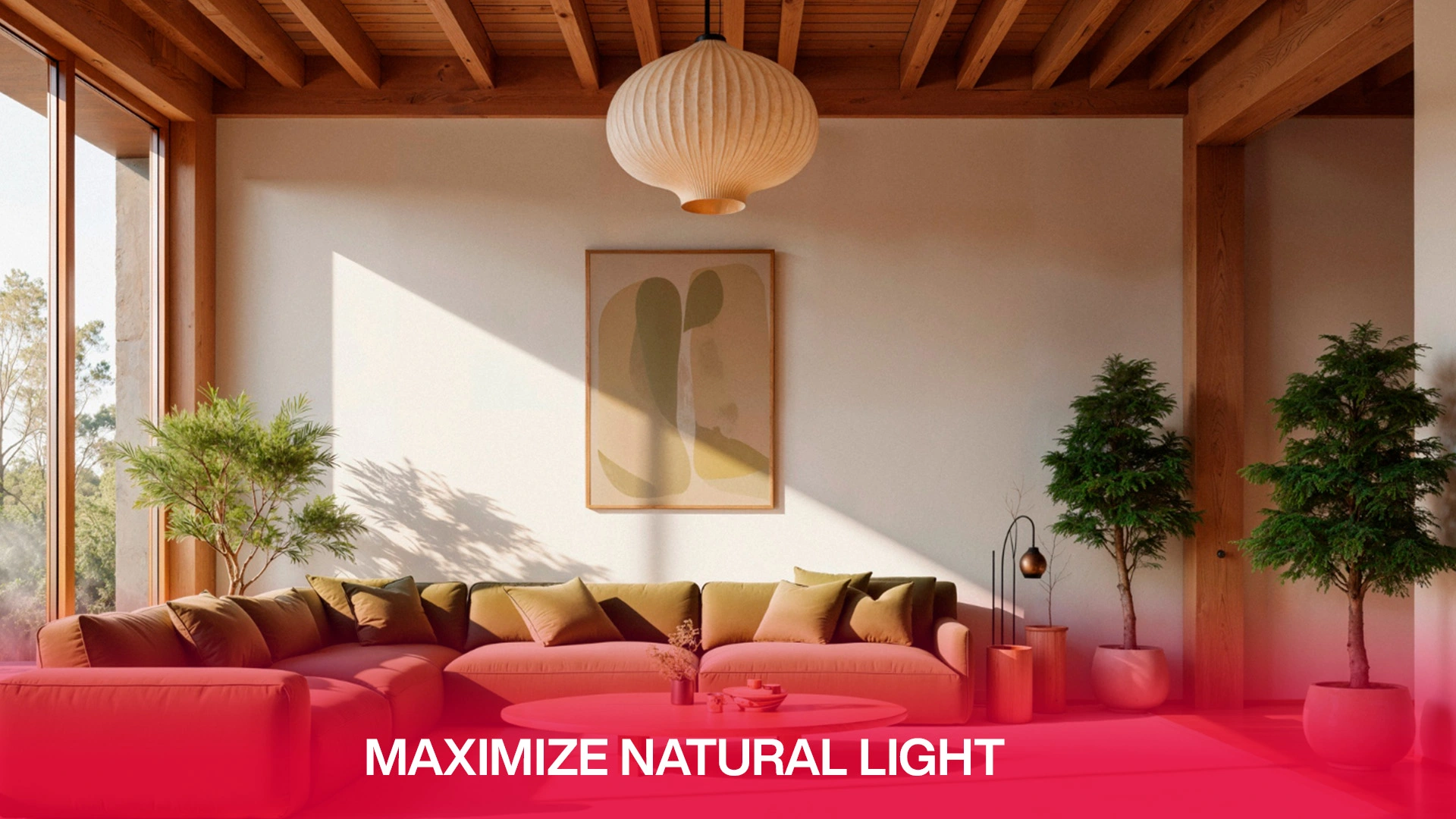
5. Maximize Natural Light
Natural light is a game-changer when it comes to making a small space feel bigger. By allowing more daylight into your rooms, you’ll create an airy, expansive feel. Here’s how to get the most out of natural light:
- Use Sheer Curtains: Light, airy curtains or blinds that allow natural light to filter through can help your space feel more open.
- Clear the Windows: Keep windows unobstructed to let as much sunlight in as possible.
- Strategically Place Mirrors: Mirrors placed near windows reflect light and make the room appear larger.
By integrating more natural light into your space planning for small homes, you’ll create a more open and inviting atmosphere.
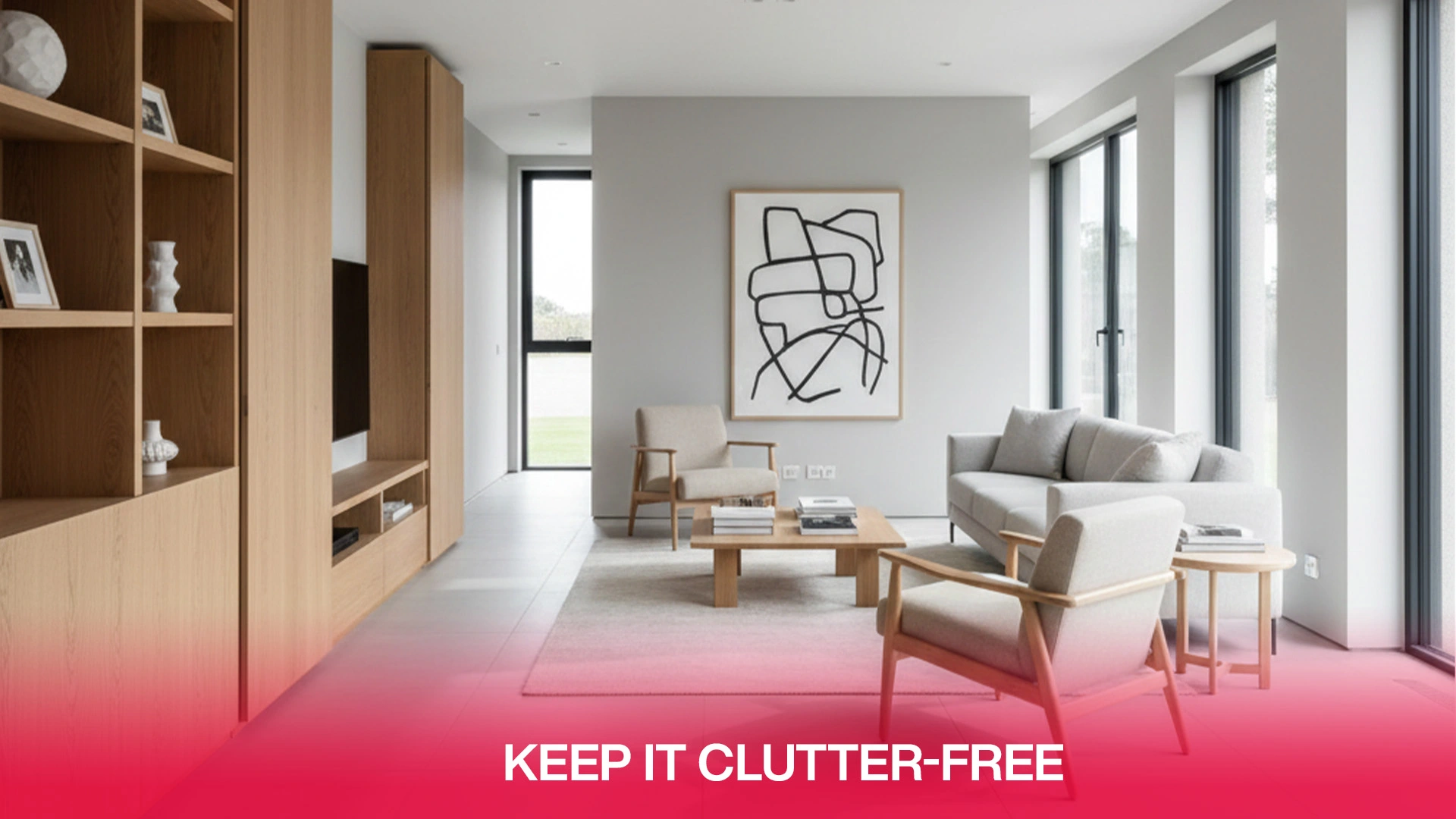
6. Keep It Clutter-Free
Clutter can make any space feel smaller, so it’s essential to keep things organized. A clean and organized home not only feels larger, but it also looks more polished. Here’s how to keep your home clutter-free:
- Declutter Regularly: Get rid of items you don’t need and make sure each item has a designated place.
- Minimalist Approach: Choose simple, streamlined decor and furniture to avoid overcrowding.
- Smart Storage Solutions: Use hidden storage, like under-bed storage or multi-functional furniture, to keep items out of sight.
By maintaining a clutter-free environment with well-thought-out space-saving interior solutions, your home will instantly feel more spacious.
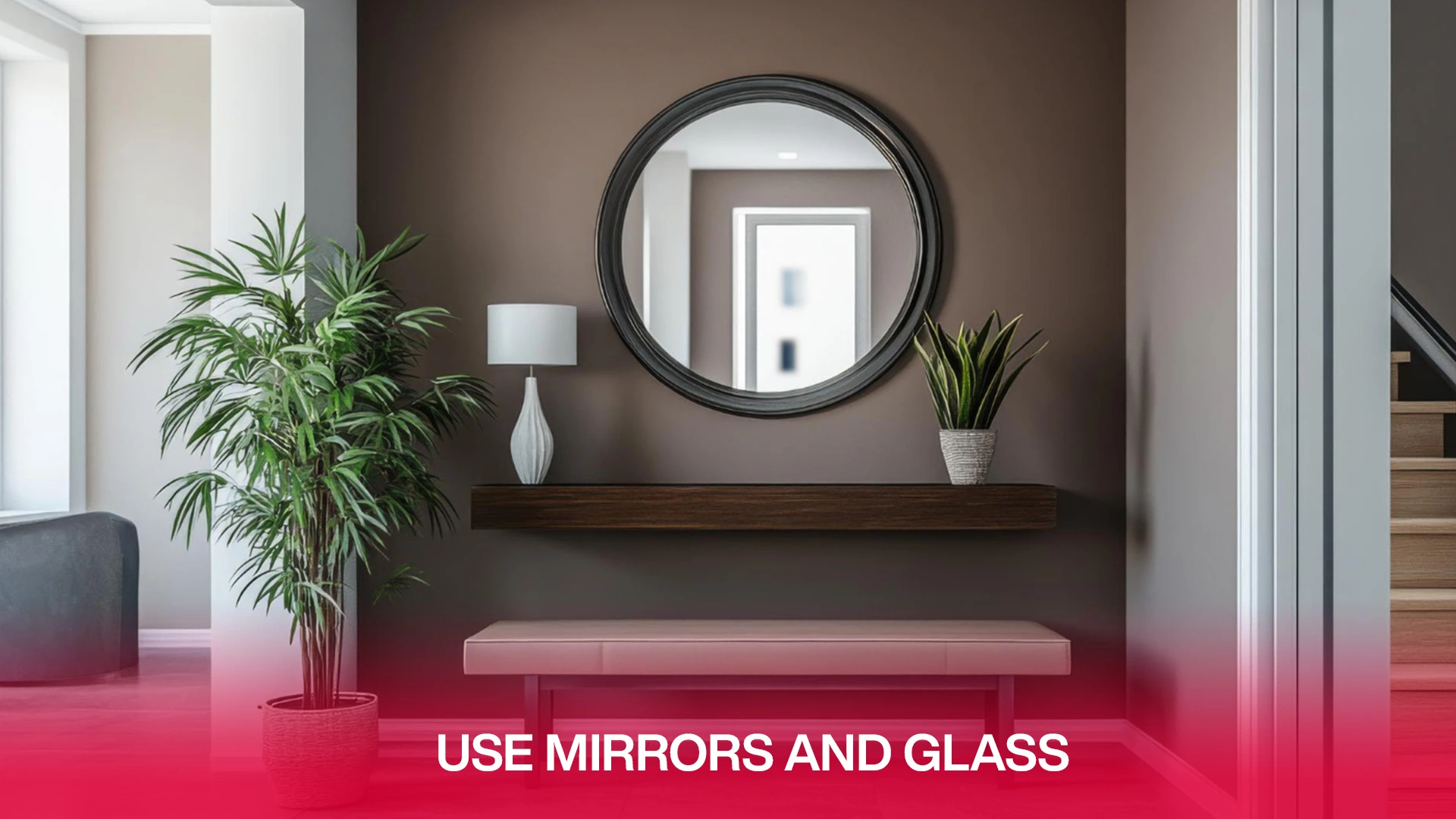
7. Use Mirrors and Glass
Mirrors and glass elements can work wonders in a small home, helping to reflect light and create a sense of openness. Here’s how to integrate them into your design:
- Large Mirrors: Hang large mirrors on walls to reflect both natural light and the room’s size.
- Glass Furniture: Use transparent glass tables or shelves to keep the space light and visually open.
- Reflective Surfaces: Opt for reflective surfaces in décor items, like metallic accents or mirrored furniture, to enhance the illusion of space.
Using mirrors and glass is a brilliant way to elevate your space planning for small homes while maintaining a light, airy feel.
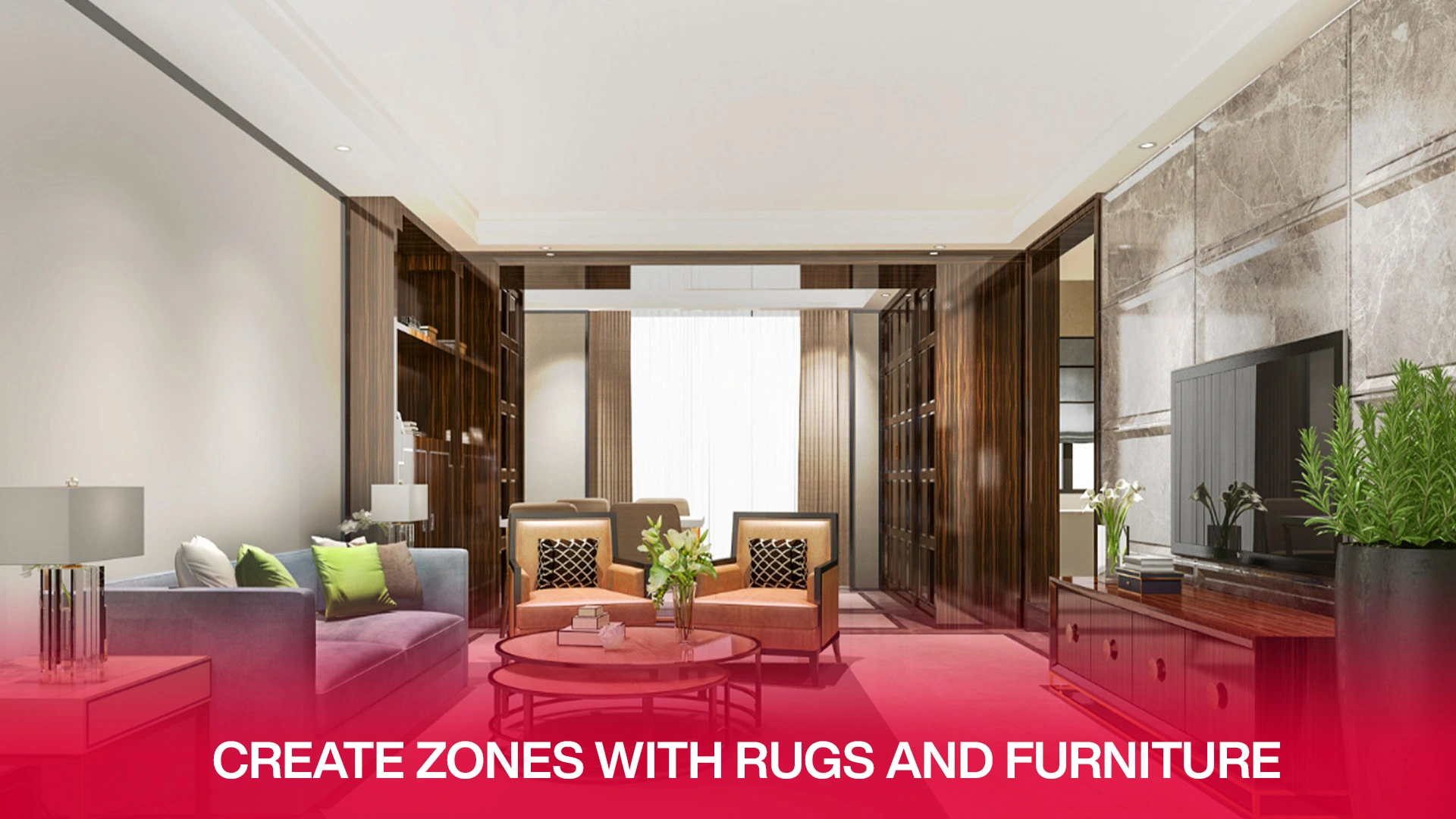
8. Create Zones with Rugs and Furniture
In open-concept layouts, creating zones helps to define areas without adding walls. Here’s how to create distinct areas in your small home:
- Use Rugs to Define Spaces: Place rugs strategically to define the living, dining, and working areas.
- Furniture Placement: Arrange furniture in a way that creates clear zones without feeling boxed in.
- Accentuate with Lighting: Use pendant lights or spotlights to highlight specific areas, like a reading nook or dining space.
By using layout optimization for small rooms, you can create a sense of flow and organization without sacrificing space.
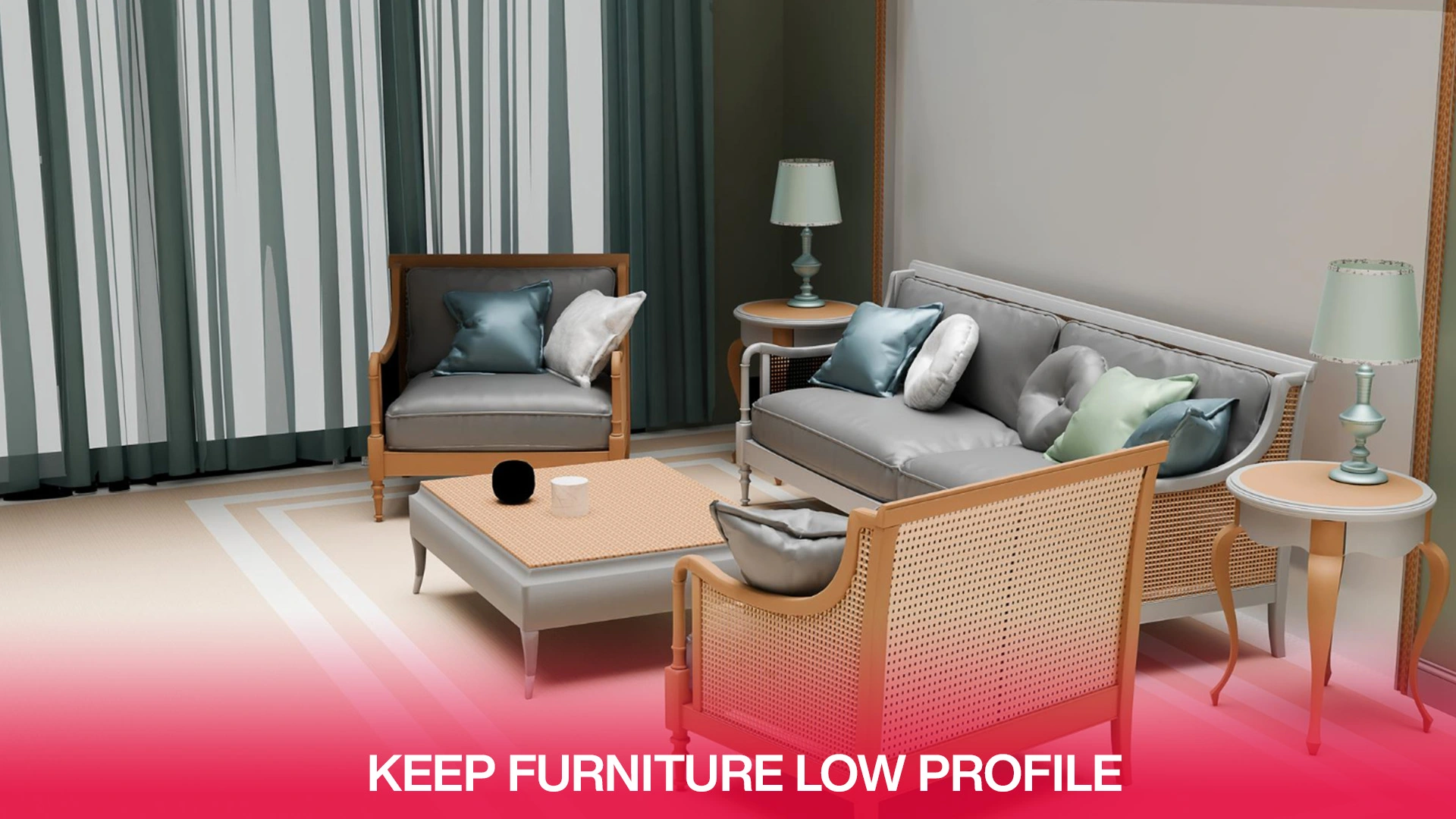
9. Keep Furniture Low Profile
In small homes, choosing furniture that sits low to the ground can make a huge difference. This style gives the room a sense of openness and makes the ceilings appear higher. Here’s how to do it:
- Low-Profile Sofas: Opt for sofas with low arms and sleek, slim legs to create a more expansive feel.
- Minimalist Tables: Choose coffee and dining tables with lower profiles to avoid blocking sight lines and making the space feel cramped.
- Use Multi-Level Shelves: Floating shelves that are mounted lower on the wall give the illusion of more space.
By choosing low-profile furniture, your small home interior design ideas will create a modern, spacious vibe.

Conclusion
Space planning for small homes doesn’t have to be a challenge. With these designer-approved tips, you can make your small space feel much bigger and more functional. From using multi-functional furniture to maximizing natural light, every detail plays a role in optimizing your home’s potential. Remember, the key is smart design choices that make the most of every inch. Ready to make your small home feel larger and more stylish? Start implementing these tips today!
Mirainow, an interior design company focused on creating beautiful, functional spaces. Our expert team works closely with clients to understand their needs, ensuring high-quality results from start to finish. Whether it’s a home or commercial project, we combine creativity and years of experience to deliver exceptional designs that exceed expectations. Let us transform your space into something remarkable.
FAQs
To plan interiors for a small house, focus on optimizing layout, using multi-functional furniture, and maintaining an open flow. Incorporate vertical storage, neutral colors, and declutter regularly. The goal is to maximize space while keeping it functional and aesthetic.
The best layout for small living spaces emphasizes open, flexible areas with minimal barriers. Consider an open-plan design that connects the living, dining, and kitchen areas, making the space feel larger and more cohesive. Prioritize space-saving furniture and clever zoning.
In compact Indian homes, utilize vertical storage, foldable or multi-purpose furniture, and light, neutral colors. Focus on decluttering and using smart storage solutions like under-bed storage or wall-mounted shelves. An open floor plan can further enhance space efficiency.
Yes, open concept design can make small homes appear bigger by eliminating walls and creating an uninterrupted flow. It allows for more natural light to penetrate the space, making it feel airy, spacious, and connected, especially in smaller homes.
In small spaces, multi-functional, space-saving furniture is ideal. Pieces like sofa beds, folding tables, and modular seating are great for compact homes. Choose furniture with slim profiles and raised legs to make the room feel more open and less cluttered.