
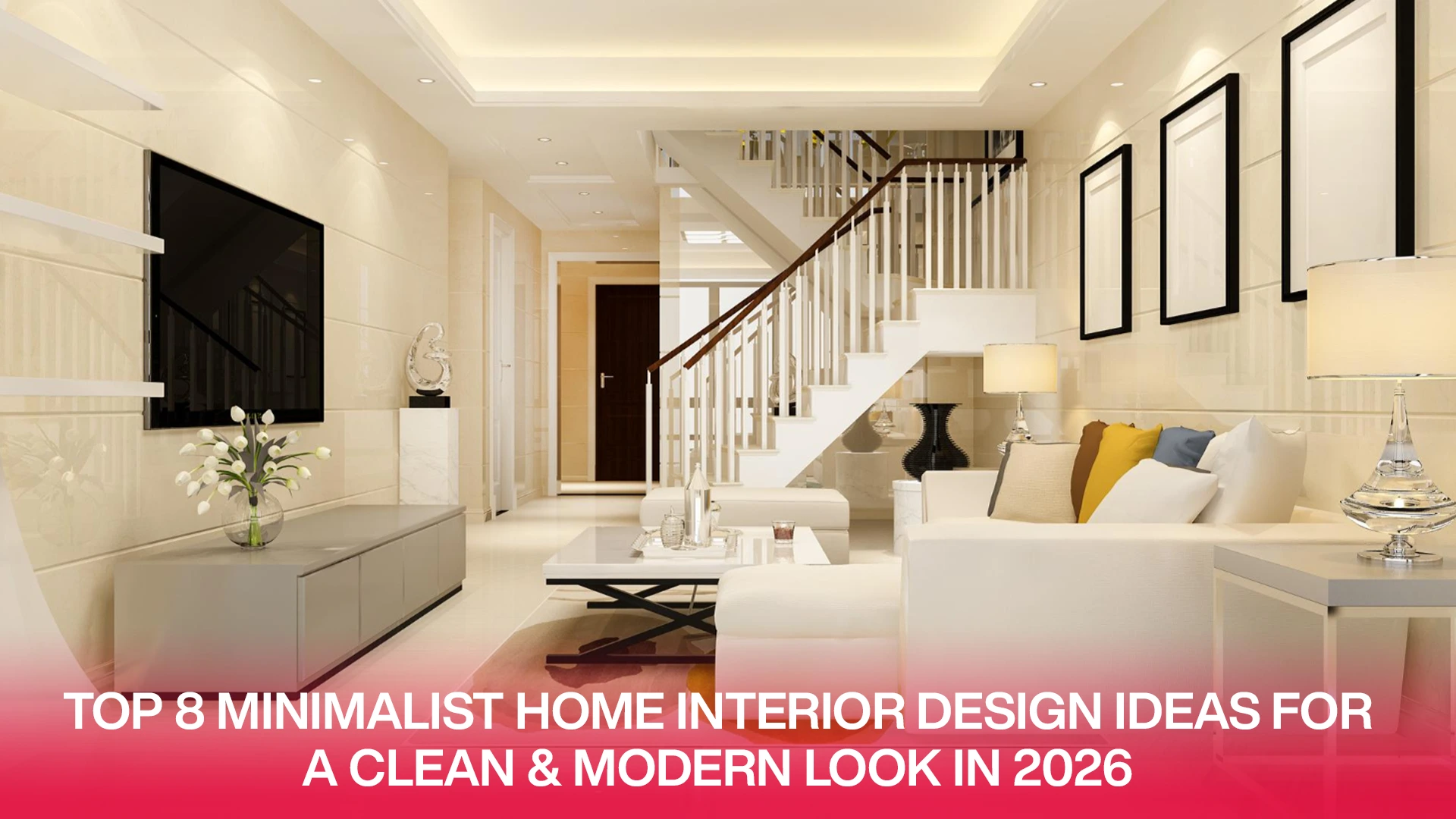
Are you ready to transform your space into a peaceful, modern haven? Wondering how you can create a clean and minimalist home that feels both functional and stylish in 2026? Minimalist home interior design continues to captivate homeowners around the world by emphasizing simplicity, elegance, and functionality. But how can you elevate your home’s interior to match the latest trends?
Let’s dive into the best minimalist home interior design ideas for 2026 and give your space the timeless, modern look it deserves. Whether you’re redesigning your living room, bedroom, or even your entire home, we’ve got you covered with simple home décor ideas and minimalist designs that are set to dominate in the upcoming year.
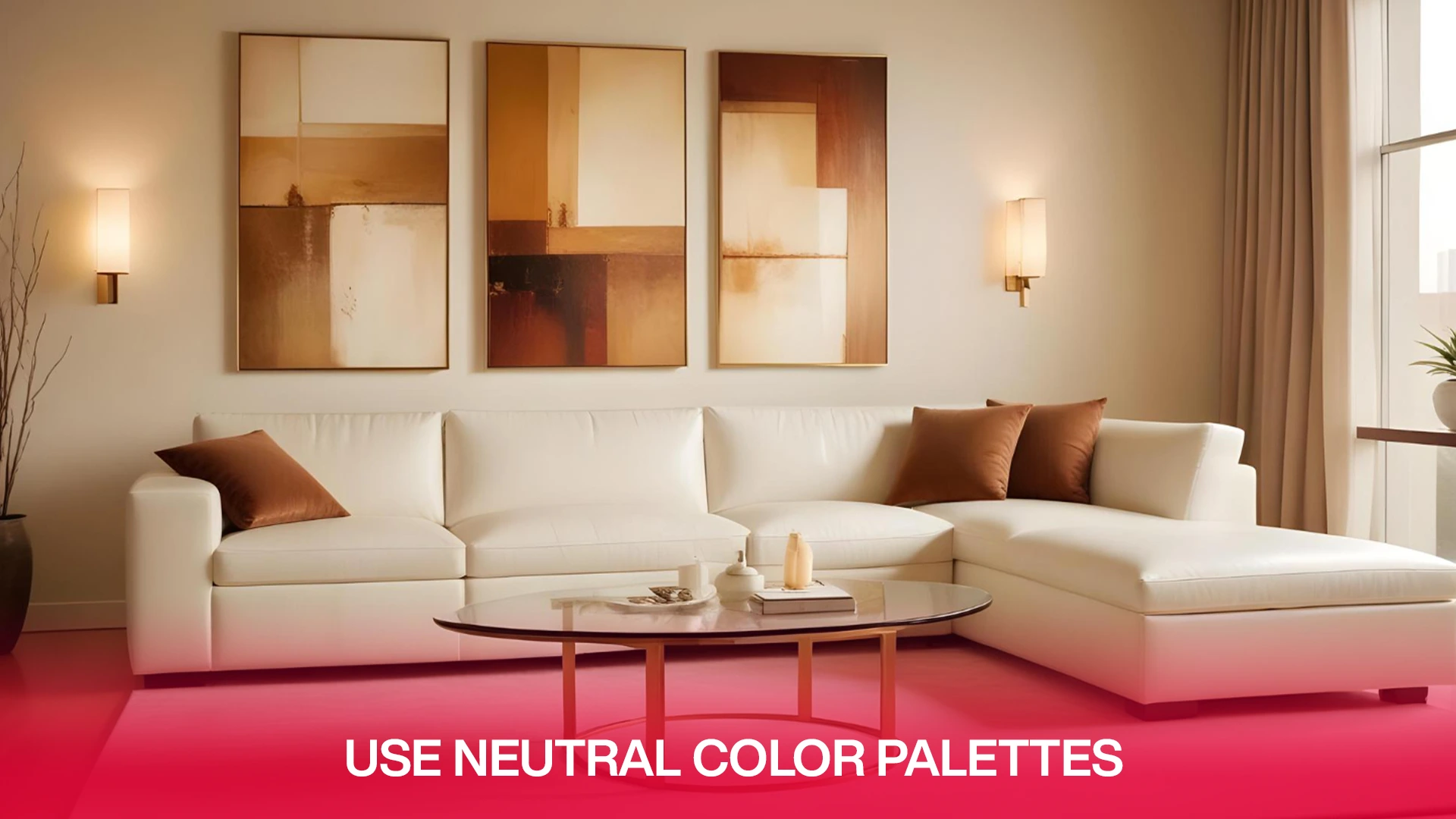
1. Use Neutral Color Palettes
One of the most powerful elements in minimalist home interior design is color. Neutral color palettes instantly bring a sense of calmness and serenity to any space. In 2026, incorporating soft whites, grays, and beiges into your design will help create a clean, timeless look. Here’s how you can incorporate neutral colors effectively:
- Start with Base Colors: Choose soft shades of white or light gray for your walls to create a blank canvas. This will give the room an open, airy feel.
- Accentuate with Warmth: Add warmth by introducing light wooden tones in furniture or accents. This subtle contrast will prevent the space from feeling too cold or sterile.
- Play with Textures: While the color palette remains neutral, don’t hesitate to introduce different textures like linen, wool, or leather for added depth and interest.
By focusing on neutral tones, your minimalist living room ideas and other spaces will stay calm and inviting, while still looking sophisticated.
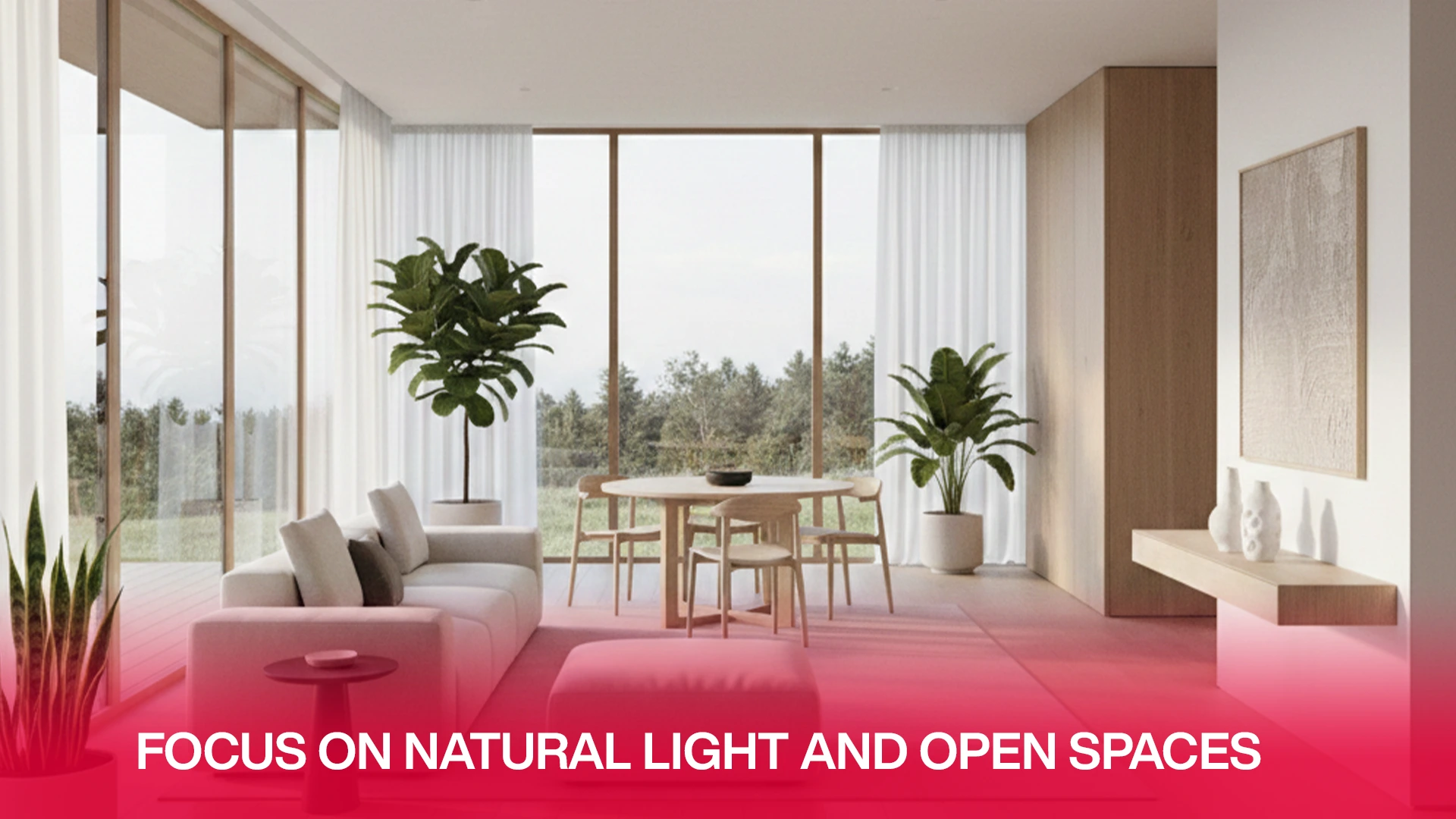
2. Focus on Natural Light and Open Spaces
Natural light is a cornerstone of minimalist home interior design. A space flooded with light instantly feels more expansive and serene. By embracing open layouts and making the most of natural light, you can create a bright, welcoming atmosphere.
- Maximize Window Openings: Large windows or glass doors that open to outdoor spaces are ideal for letting in abundant light.
- Avoid Heavy Curtains: Opt for light, sheer curtains or even no curtains at all. This way, natural light flows freely without interruption.
- Declutter for Openness: An open layout will enhance the sense of space. Avoid overstuffing your rooms with unnecessary furniture or décor to maintain that airy feeling.
By focusing on natural light and open spaces, your minimalist bedroom décor and other rooms will feel more connected to the outdoors.
3. Choose Multi-Functional and Sustainable Furniture
The key to creating functional minimalist homes lies in the furniture choices you make. In 2026, multifunctional and sustainable furniture pieces will be in the spotlight. These items combine practicality with eco-conscious design, helping you maintain a minimalist aesthetic while also staying efficient.
- Modular Furniture: Think of pieces like modular sofas or extendable dining tables that can adapt to your needs.
- Sustainable Materials: Furniture made from eco-friendly materials like reclaimed wood, bamboo, or recycled plastics will not only support a minimalist lifestyle but also reduce your carbon footprint.
- Hidden Storage: Furniture with built-in storage—such as ottomans, beds with drawers, or coffee tables with hidden compartments—helps keep your space organized without the need for extra storage units.
With the right multi-functional furniture, your minimalist home interior design will be as efficient as it is stylish.
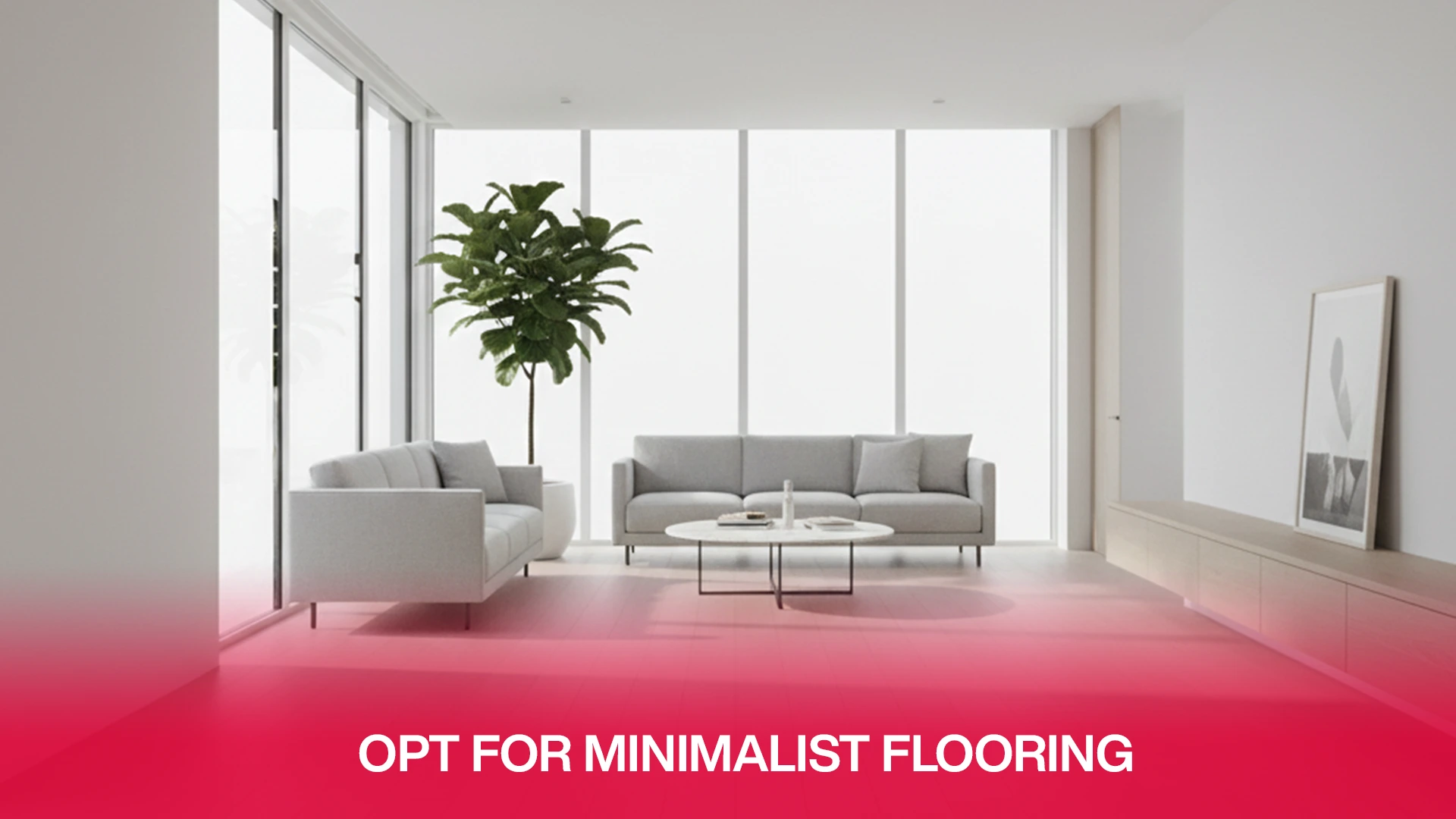
4. Opt for Minimalist Flooring
Flooring plays a vital role in establishing the overall feel of a room. To enhance the clean and modern look of your space, choose minimalist flooring options that are both practical and sleek.
- Go for Light Wood or Concrete: Light hardwood or polished concrete floors are perfect for maintaining a minimalist vibe. They reflect natural light, making your space feel bigger and brighter.
- Large Tiles for Simplicity: Choose large-format tiles in neutral shades to reduce grout lines and create a seamless, uniform look across the floor.
- Consider Eco-Friendly Flooring: Sustainable flooring options such as bamboo, cork, or recycled materials not only complement minimalist interior design but also support eco-conscious living.
By opting for minimalist flooring choices, you can create a clean, low-maintenance base for the rest of your design elements.
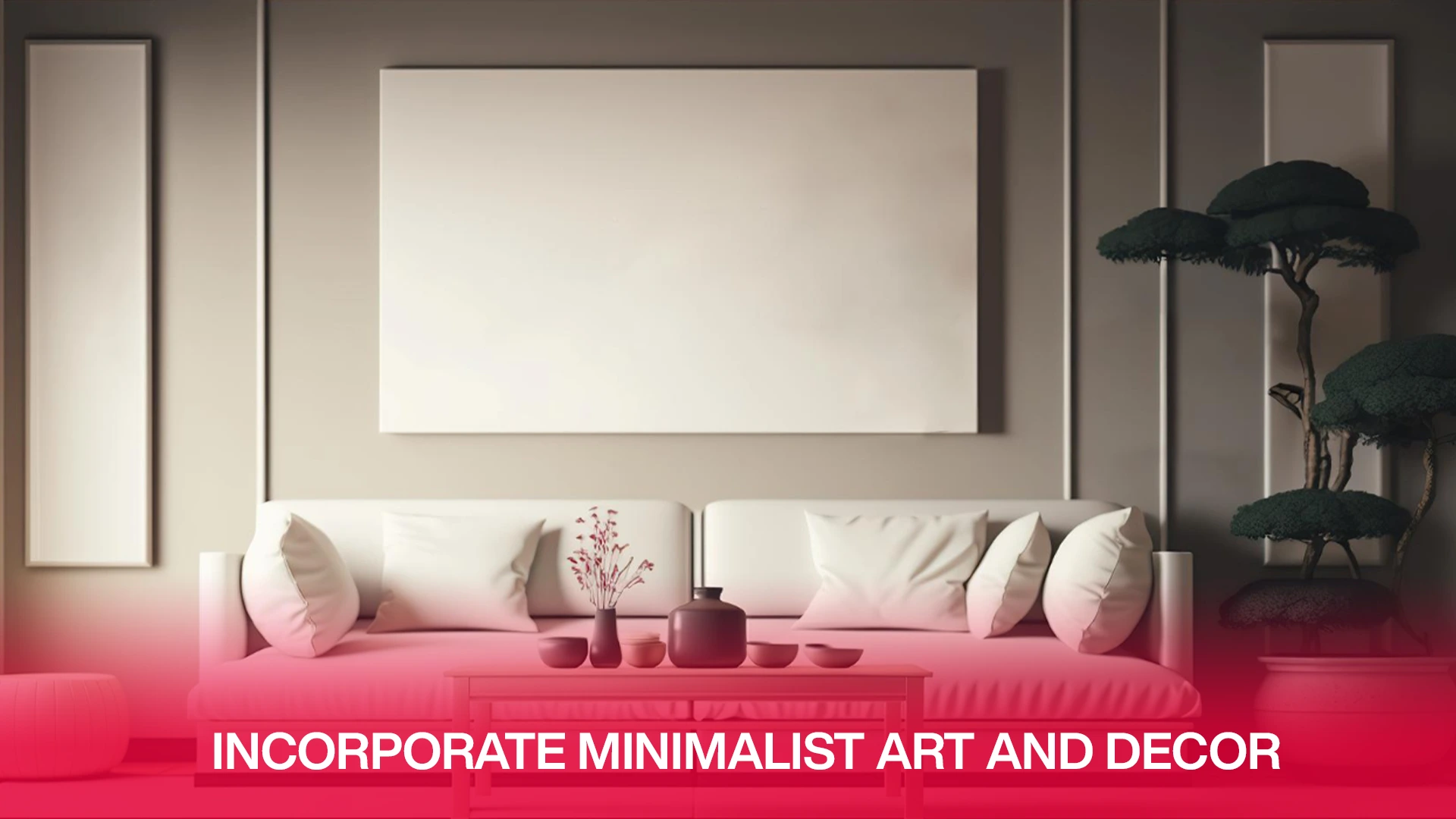
5. Incorporate Minimalist Art and Decor
When it comes to minimalist home interior design, less is definitely more when it comes to decor. The idea is to select a few statement pieces that add character without overwhelming the space.
- Simple Artwork: Choose large, abstract, or geometric art pieces that fit the minimalist aesthetic. Opt for black and white or subtle color tones that complement your neutral palette.
- Sculptural Pieces: Integrate sculptures or décor items that reflect clean lines and geometric shapes. A single, well-placed piece can serve as a focal point.
- Avoid Clutter: Keep surfaces clear of unnecessary décor items. Instead, focus on a few high-quality pieces that bring personality and meaning to the room.
Incorporating minimalist art and décor will make your home feel elegant and thoughtfully curated, with a touch of modern sophistication.
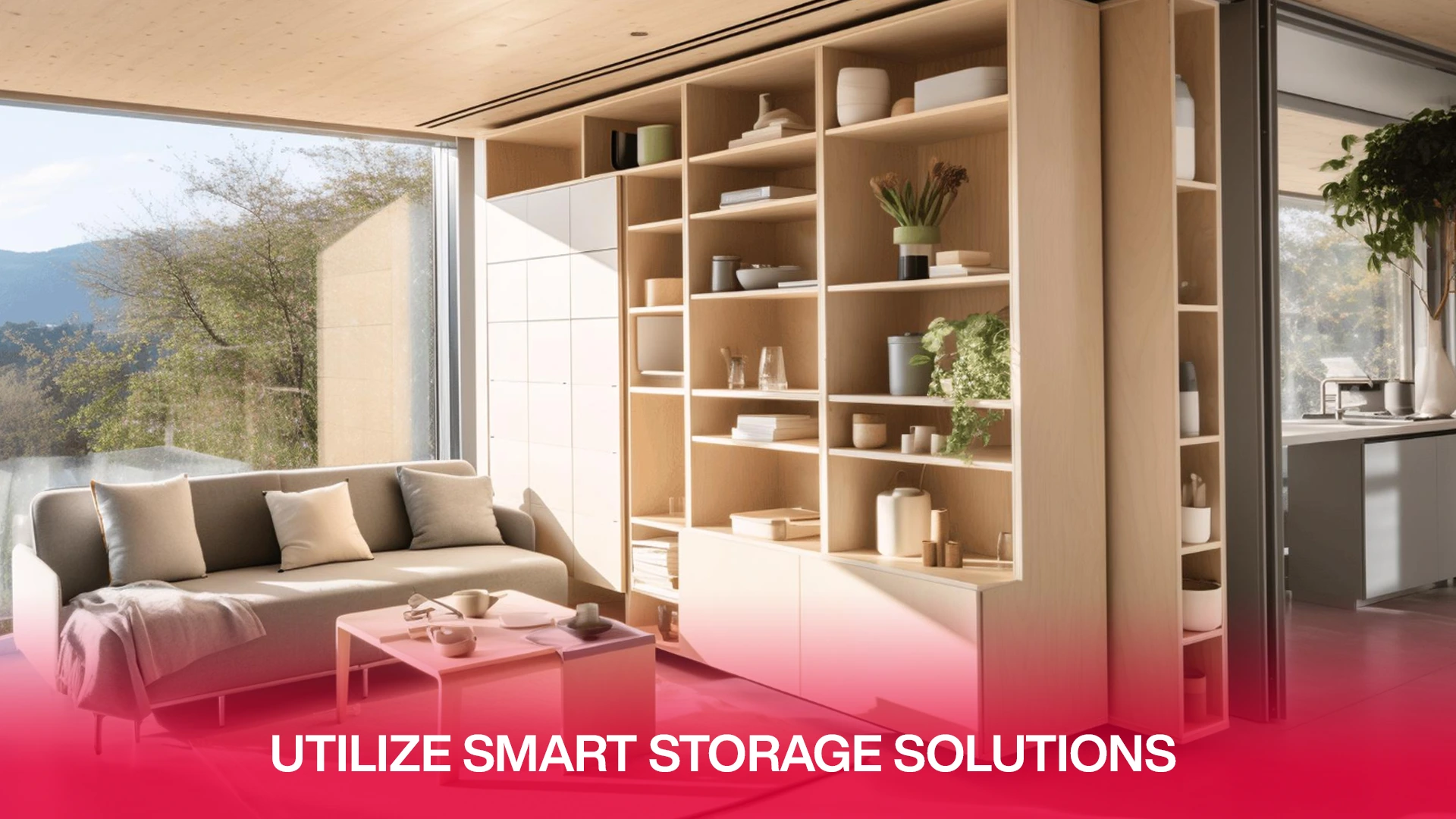
6. Utilize Smart Storage Solutions
In minimalist home interior design, keeping things organized is essential. You want your home to be functional without the clutter. Smart storage solutions allow you to maintain a clean, uncluttered environment while still having everything you need.
- Built-In Shelving: Consider built-in shelving units or cabinets that can hold everything from books to kitchenware, helping you avoid bulky furniture.
- Under-Bed Storage: Use the space under your bed for storage solutions like drawers or bins to keep things hidden away.
- Floating Units: Floating shelves or cabinets give the illusion of more space, making the room feel lighter and less crowded.
By utilizing smart storage solutions, you can enjoy both a minimalist bedroom décor and a clutter-free living space.
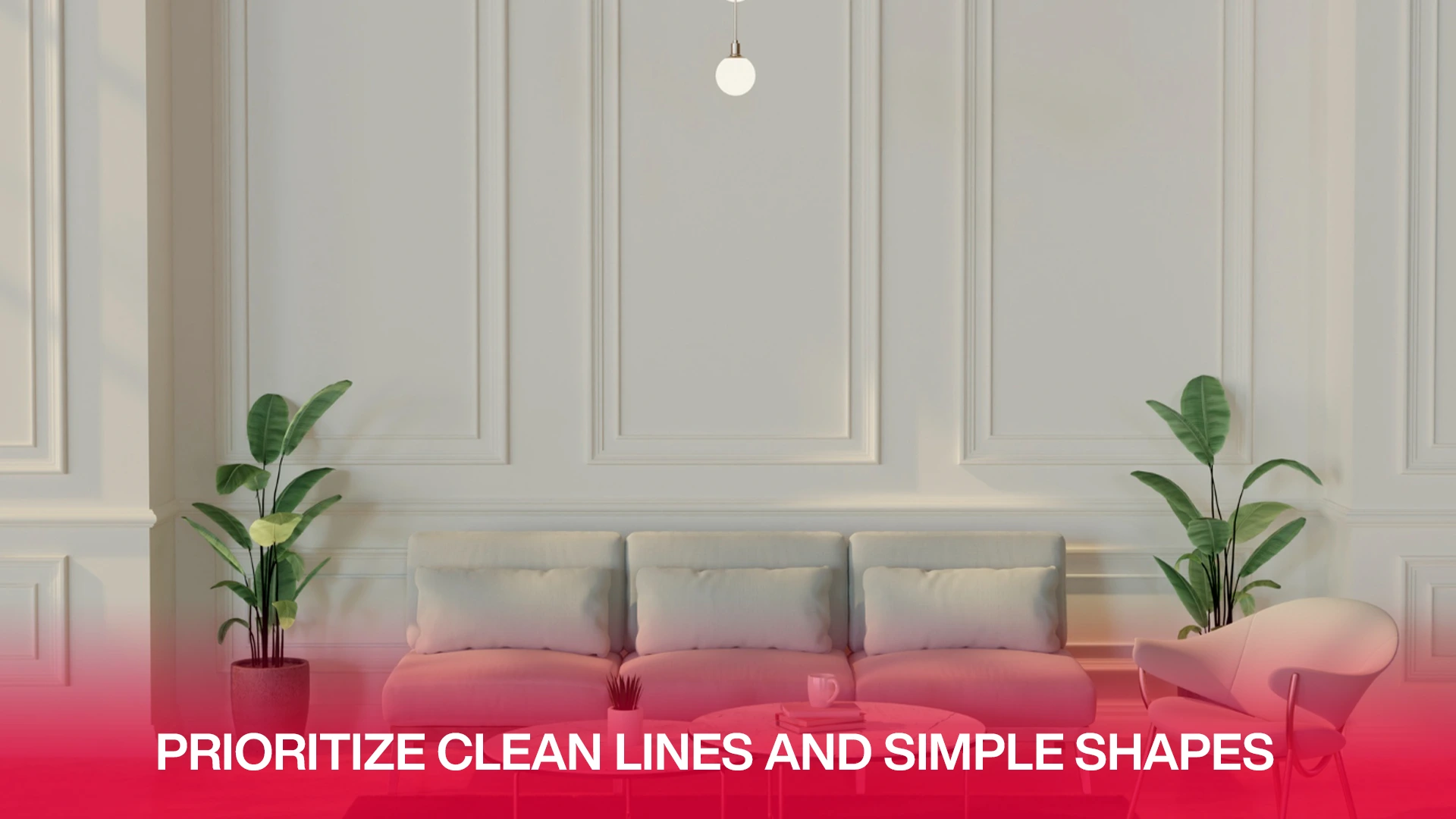
7. Prioritize Clean Lines and Simple Shapes
A minimalist space thrives on clean lines and simple shapes. Whether it’s in the architecture or furniture, the absence of ornate details creates an uncluttered, calming environment.
- Straight Edges: Choose furniture with straight lines and sharp angles—think rectangular coffee tables or square dining tables for a clean, modern feel.
- Avoid Excessive Detail: Select simple, streamlined pieces that aren’t burdened with unnecessary ornamentation.
- Monochrome Pieces: Stick to solid colors or subtle patterns for furniture and accessories, keeping the design pared-back and sleek.
By prioritizing clean lines and simple shapes, your minimalist home interior design will evoke a sense of modern elegance.
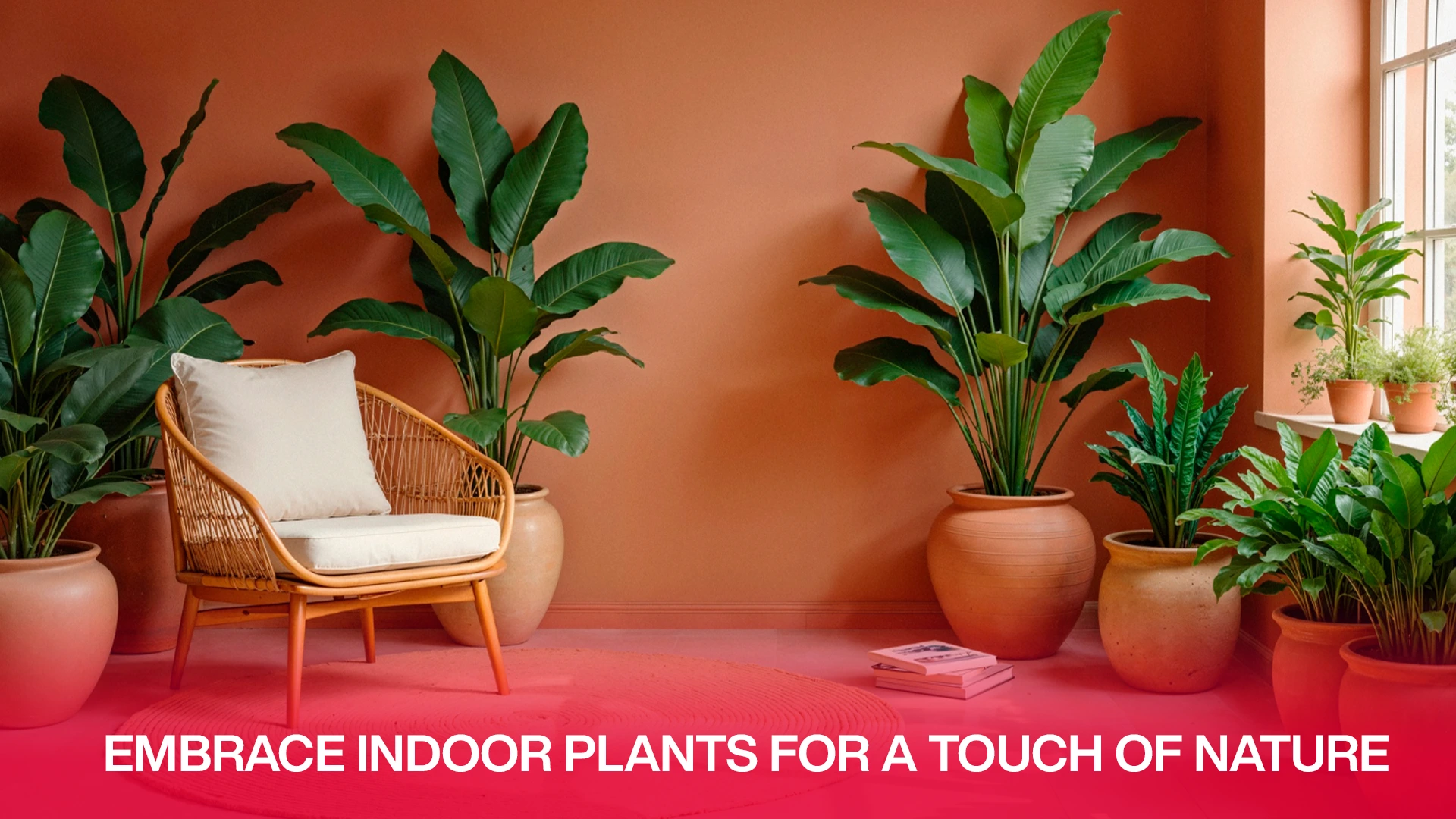
8. Embrace Indoor Plants for a Touch of Nature
While minimalism is all about simplicity, a few carefully chosen plants can bring life and vibrancy to your home. Adding indoor plants will introduce color and texture, balancing the sleekness of minimalist designs.
- Low-Maintenance Plants: Choose easy-to-care-for plants such as snake plants, succulents, or a ZZ plant. These add greenery without requiring much upkeep.
- Strategic Placement: Place plants in corners or near windows to create a natural focal point. A single plant on a side table or shelf can also add an organic touch.
- Choose Elegant Pots: Select simple, elegant pots in neutral tones or materials like concrete or ceramic to keep the design consistent.
Incorporating indoor plants into your minimalist home interior design will soften the modern, clean lines while introducing a calming, natural element.

Conclusion
Incorporating these minimalist home interior design ideas into your home can transform your space into a sanctuary of calm and simplicity. From neutral color palettes to functional furniture, each element plays a vital role in achieving the clean, modern look that defines minimalist design. As we move into 2026, these trends will continue to shape the way we live, creating spaces that are both beautiful and practical.
At Mirainow, we understand the importance of blending form and function. Whether you’re looking for minimalist living room ideas, minimalist bedroom décor, or a complete overhaul of your space, our team is here to help. We work with you every step of the way to create a home that’s both functional and stunning. Let us bring your vision to life, one design at a time.
FAQs
Key elements of minimalist interior design include clean lines, neutral colors, functional furniture, open spaces, and a focus on simplicity. The aim is to reduce clutter and showcase only essential, quality pieces, creating a serene and uncluttered environment.
To achieve a minimalist look on a budget, focus on decluttering, using neutral color schemes, and choosing multi-functional furniture. Repurpose existing pieces, invest in simple, quality items, and avoid excessive décor to keep costs low while maintaining elegance.
Yes, minimalist interior design works well in Indian homes. By focusing on simplicity, clean lines, and functional spaces, it can create a calm, organized atmosphere. Incorporating local materials and subtle traditional accents adds warmth without cluttering the design.
Neutral colors like white, beige, gray, and soft pastels are ideal for minimalist interiors. These hues reflect light, making spaces feel larger and more open. Accents of darker tones or muted colors can add warmth and depth without overwhelming the space.
Minimalist design focuses on simplicity and function, using fewer pieces and neutral colors, while modern interiors incorporate sleek, contemporary designs with bolder elements, varied materials, and more expressive forms. Modern design can be more diverse, while minimalist is pared-back.