Every trend list promises you’ll love these choices “for years to come.” Most of them don’t hold up — because a trend list and a durability list are two very different things.
We’re not just going to list what’s popular right now. We’re going to separate what’s likely to age well from what’s likely to feel dated in a few years, so you can spend your budget on the right things.
Quick answer: Trends worth committing to long-term tend to be functional and material-driven — natural textures, warm minimalism, and multi-functional furniture. Trends worth treating as easily changeable accents — bold statement colors, heavily patterned feature walls — are the ones most likely to feel dated within a few years.
The Real Difference Between a Trend and a Timeless Choice
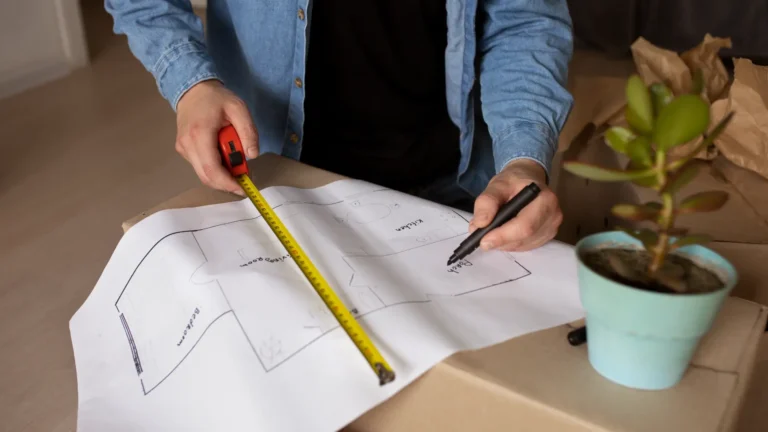
Before any material or color choice, layout decides whether a small kitchen works.
| Trend | Timeless Choice | |
|---|---|---|
| Driven by | Aesthetic fashion cycles | Function and layout |
| Changes | Every 2–4 years | Rarely, if planned well |
| Cost to update | Low (paint, decor, accents) | High (structural, furniture) |
| Examples | Bold accent walls, specific color-of-the-year palettes | Good space planning, natural light optimization, quality storage |
The practical rule that follows from this table: spend generously on the “timeless” column, since mistakes there are expensive and slow to fix, and spend more cautiously on the “trend” column, since mistakes there are cheap and quick to undo.
7 Trends Genuinely Worth Considering for 2027
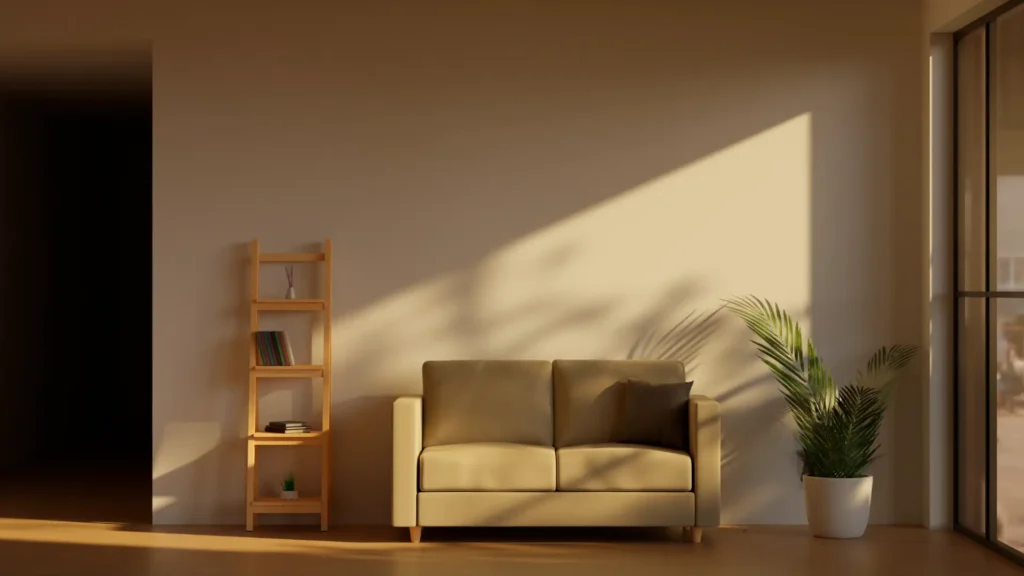
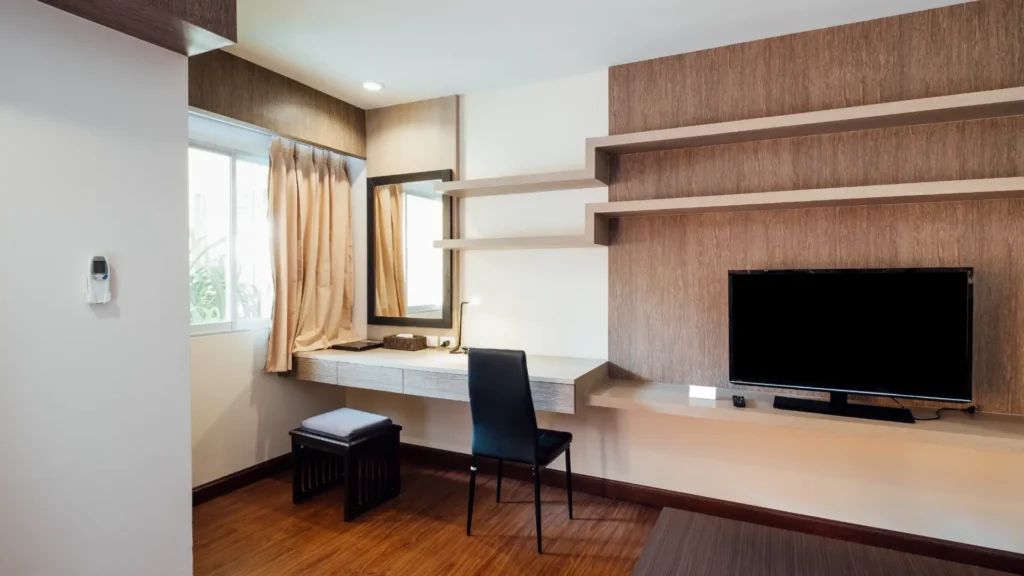
Warm minimalism continues to move away from the colder, starker minimalism of a few years back. Fewer, better pieces still matter, but warm wood tones and softer textures have replaced the all-white, all-grey palettes that once defined the look — making it feel considerably more livable day to day.
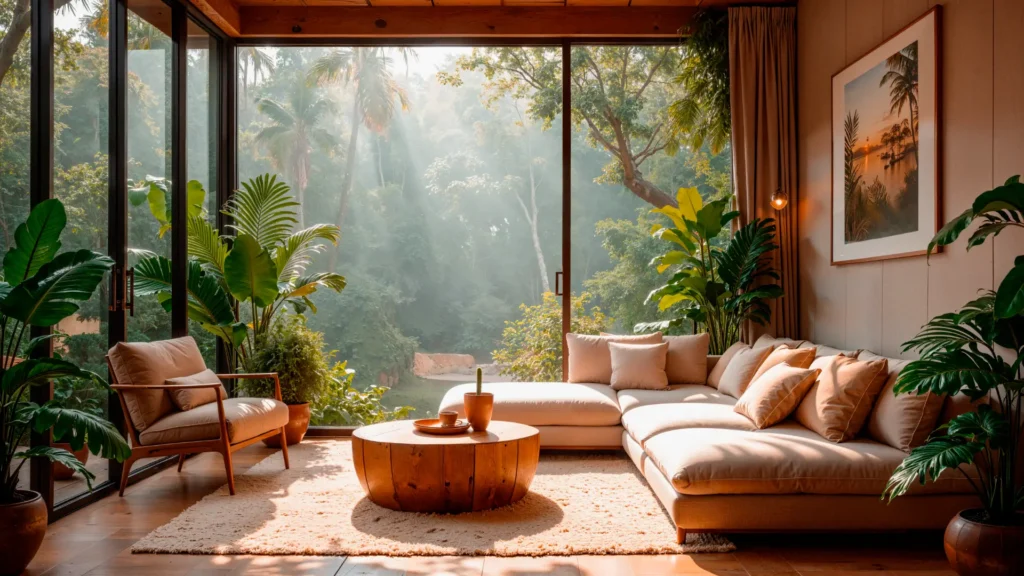
Biophilic design — incorporating indoor plants, layered natural light, and organic materials — has grown steadily rather than spiking briefly the way most décor trends do. That steadier growth curve, combined with genuine wellbeing benefits, suggests real staying power rather than a passing aesthetic phase.
Multi-functional furniture has become especially relevant for compact Bangalore apartments, where a single piece increasingly needs to earn its footprint by doing two jobs — a storage ottoman that doubles as seating, or a study desk that folds away when not in use.
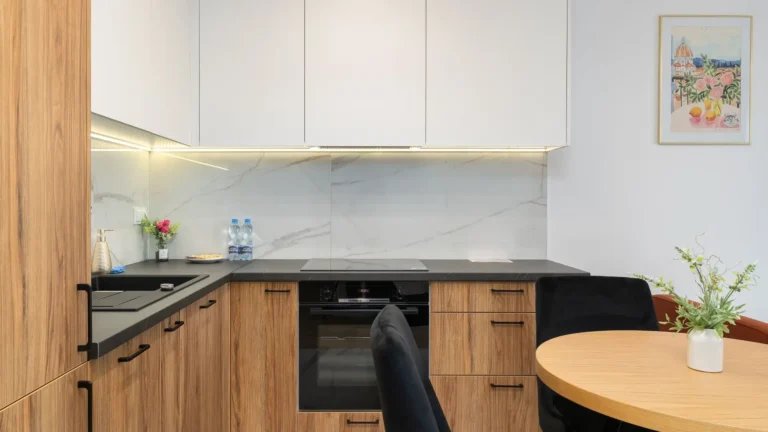
Textured neutrals are replacing flat white and grey surfaces with materials that add depth without committing to bold color — cane detailing, stone-look laminate, and visible wood grain all fall into this category, and all age considerably better than a trend-driven paint color choice.
Layered lighting — using ambient, task, and accent lighting together rather than relying on a single overhead source — genuinely changes how a room feels, and unlike many aesthetic trends, this one is functional enough that it doesn’t really go out of style.
Durable, sustainable materials are being chosen increasingly for their durability rather than as a purely ethical statement — quality and longevity over the cheapest available option reduces the need for expensive rework within just a few years of moving in.
Dedicated work-from-home nooks round out the list, and arguably aren’t a trend at all so much as a practical response to how households actually use their homes now. A well-planned nook, even a small one, tends to remain useful regardless of what’s fashionable that year.
3 Trends We'd Treat Cautiously
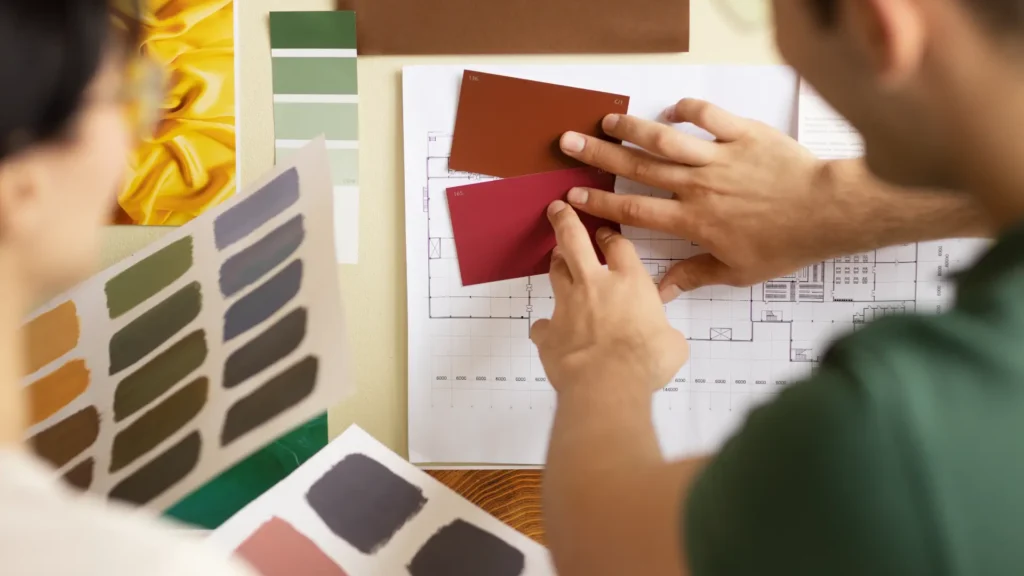
Very bold, saturated accent walls look striking in photos, but they’re also among the fastest elements to feel dated once the specific shade falls out of fashion. They’re far better suited to an easily repainted wall than to a permanent installation like cabinetry or flooring, where a mistake is expensive and slow to reverse.
Ultra-specific “color of the year” palettes are fine when applied to cushions, art, or other easily swapped decor — but riskier when applied to large, fixed surfaces like kitchen cabinetry, where you’re committing to a trend cycle that may have moved on well before the cabinetry itself needs replacing.
Heavily themed statement pieces — a striking, very specific design choice that photographs beautifully today — often carries the unmistakable signature of the year it was chosen in. A strong personal statement can be a wonderful thing in a home, but it’s worth going in with eyes open about how quickly that specific look may read as dated rather than intentional.
How to Use Trends Without Regretting Them Later
The most reliable approach is committing structurally to function rather than fashion — layout, storage, and lighting infrastructure genuinely deserve long-term planning and a reasonable budget. Trends, by contrast, belong in the “easy to change” layer of a home: cushions, art, accent decor, and paint, rather than cabinetry or flooring, which are expensive and disruptive to redo.
A useful gut check before committing budget to anything visually bold: would you still like this choice without the current trend context around it? If the answer feels uncertain, it’s often safer to express that specific aesthetic through a cheaper, more easily changed element instead. And rather than overhauling a whole home every few years, most homeowners get better long-term value from revisiting accents periodically while keeping the core layout — the genuinely expensive part to change — stable.
Why This Matters More in India Right Now
Indian homeowners are increasingly furnishing homes meant to last a decade or more in the same space, rather than moving frequently the way renters in some other markets do. That longer expected tenure makes the trend-versus-timeless distinction considerably more financially relevant here — a mistake you’re stuck looking at for ten years costs more than the same mistake in a home you’ll leave in two.
How to Budget for Trend vs. Timeless Elements
A practical way to apply everything above is to split your budget deliberately between the two categories, rather than letting trend-driven choices compete for the same money as structural, long-term decisions.
| Budget Category | Suggested Approach | Examples |
|---|---|---|
| Core / Timeless (majority of budget) | Invest in quality and durability | Layout, storage, lighting infrastructure, quality furniture |
| Trend / Accent (smaller portion) | Keep flexible and inexpensive to change | Cushions, art, accent paint, decorative accessories |
Treating trend spending as a smaller, deliberately flexible slice of the overall budget — rather than an afterthought squeezed in wherever money is left — makes it much easier to refresh a home’s look every few years without touching anything expensive or disruptive to redo.
A Note on Furniture-Buying Strategy
One practical way to apply the trend-versus-timeless framework is to think about furniture in two separate buying decisions rather than one. Large, structural pieces — a sofa frame, a bed, a wardrobe carcass — are worth buying for quality and longevity, since replacing them is expensive and disruptive.
Smaller, visible-surface elements — cushion covers, throws, a coffee table runner, wall art — are where it’s genuinely fine to chase a current trend, precisely because swapping them out again in a couple of years costs very little.
Buying a trend-driven sofa specifically because a particular color is fashionable this year is a considerably riskier bet than buying a well-made, neutral sofa frame and dressing it with trend-driven cushions that can be replaced far more cheaply once the look feels dated.
Regional Considerations: What Works Specifically for Bangalore Homes
A few of these trends land differently depending on the specific realities of Bangalore homes. Bangalore’s relatively moderate climate compared to much of India makes natural light optimization and layered lighting particularly effective here, since homes can lean on daylight for more of the day than in regions with more extreme heat requiring heavier window treatments.
Compact apartment sizes across much of the city, especially in newer developments, make multi-functional furniture less of a stylistic choice and more of a practical necessity for many households.
And a growing number of Bangalore’s IT-sector households value a genuinely usable work-from-home nook, reflecting the city’s specific professional demographic more than a nationwide trend would suggest on its own.
Our Take
We draw inspiration from contemporary architecture, traditional craftsmanship, and the practical realities of how Indian households actually operate — not a single aesthetic trend applied uniformly to every project. That’s also why no two homes we’ve worked on look quite alike, and why we’d rather talk you out of a trend that won’t age well than help you commit budget to one.
Frequently Asked Questions
No — trends are worth using for easily changeable elements like decor and accents, while core layout and furniture choices should prioritize longevity.
Good space planning, natural light optimization, and quality storage tend to hold up far longer than any specific color or style trend.
It’s grown steadily rather than spiked briefly, suggesting more staying power than typical short-lived décor trends.
There’s no fixed rule — many homeowners refresh accents like decor and paint every few years while keeping the core layout unchanged.
Committing structural or expensive elements — like cabinetry or flooring — to a specific trend that may feel dated within just a few years.
Yes, especially in compact apartments, where furniture that serves two purposes genuinely improves how usable a small space feels day to day.